
 En
 中文简体



Browning tomato paste means cooking it in a little fat over moderate heat until it darkens from bright red to brick red and smells sweet and roasted rather than sharp. The change is mostly caramelization of the paste's natural sugars, with some Maillard browning and moisture loss. That matters because tomato paste is dense: a spoonful carries concentrated acid, sugar, and solids. Brown it before it meets stock, cream, or crushed tomatoes, and the paste tastes rounder and more integrated; skip it and the same paste can seem raw or aggressively sour. The skill is control, not maximum heat: a wide pan, enough fat, constant stirring, and liquid ready to stop the cooking before bitterness starts.
What Browning Does to Tomato Paste
Browning turns tomato paste from a sharp concentrate into a deeper flavor base. As surface water cooks off, sugars caramelize and amino acids react with sugars through Maillard browning, creating nutty, toasted, lightly sweet notes. Acidity is still there, but sweetness and roast aroma push its sharp edge into the background.
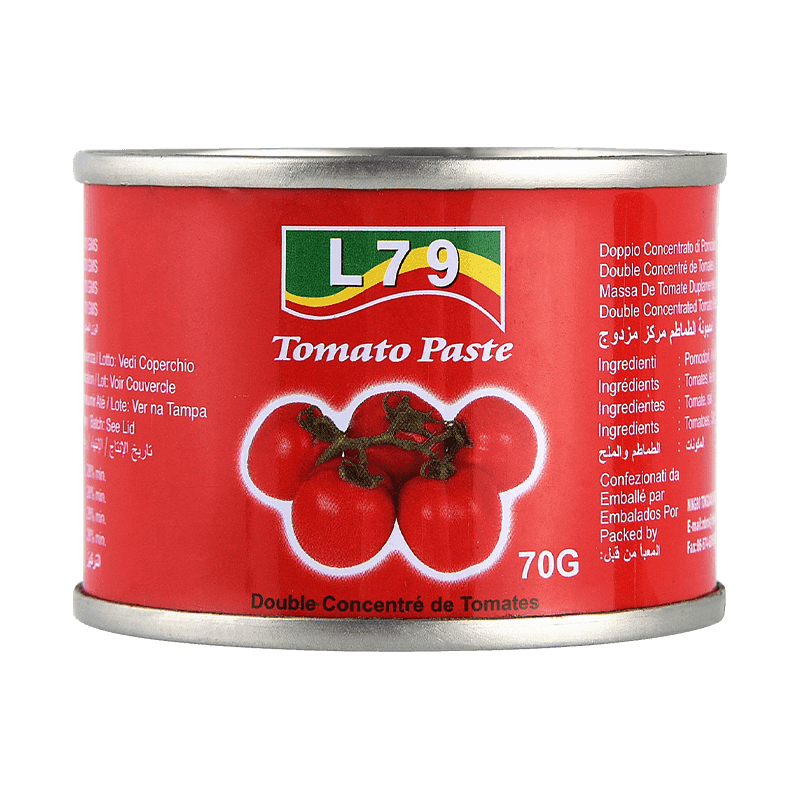
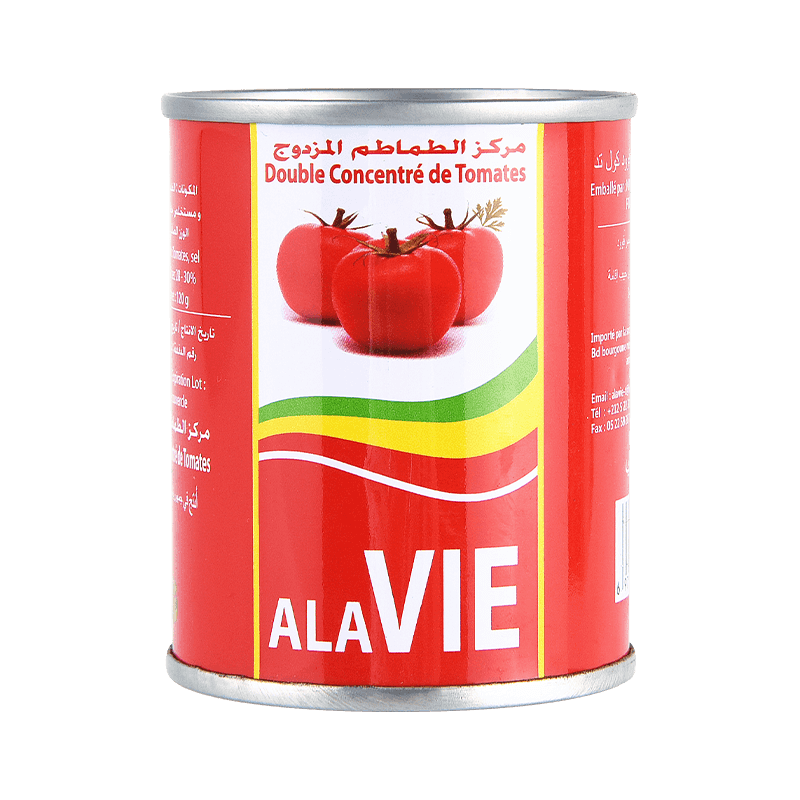
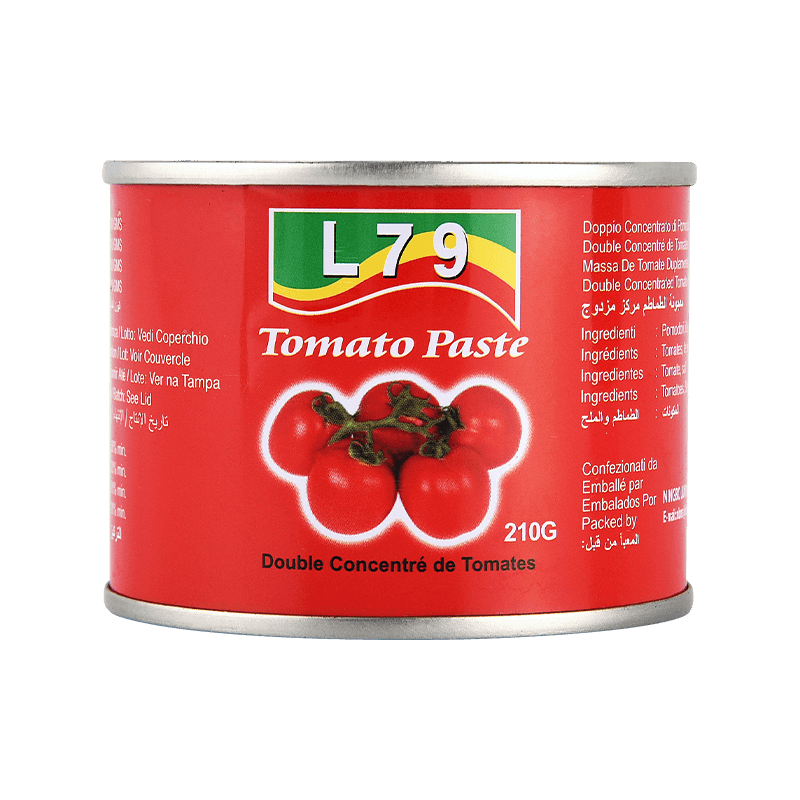
Double concentrated paste is usually around 28-30 Brix, so it is dense in solids and sugars. That density gives body in the jar and makes it scorch quickly in a hot pan.
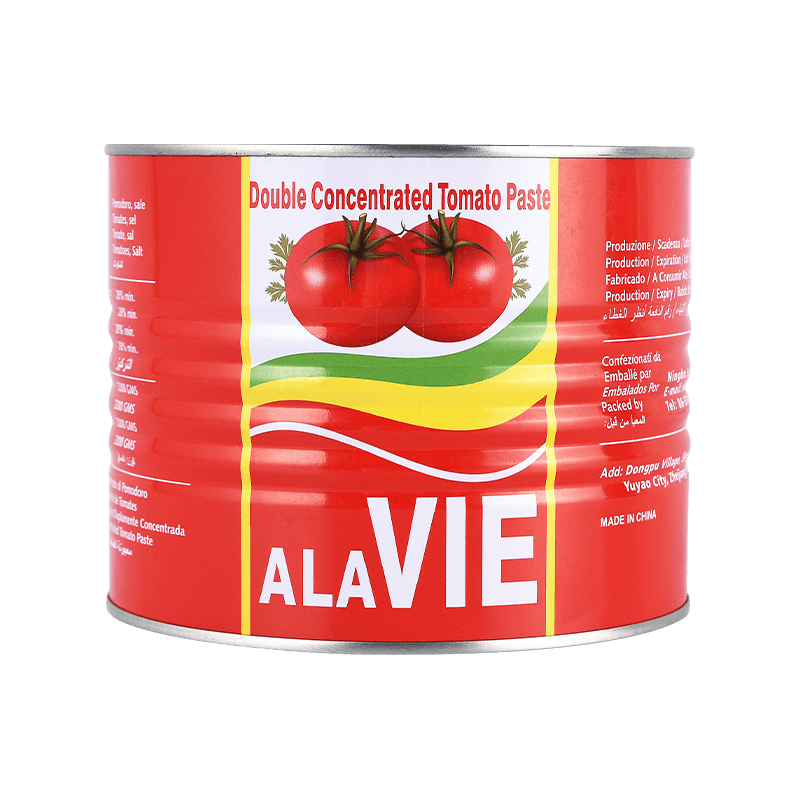
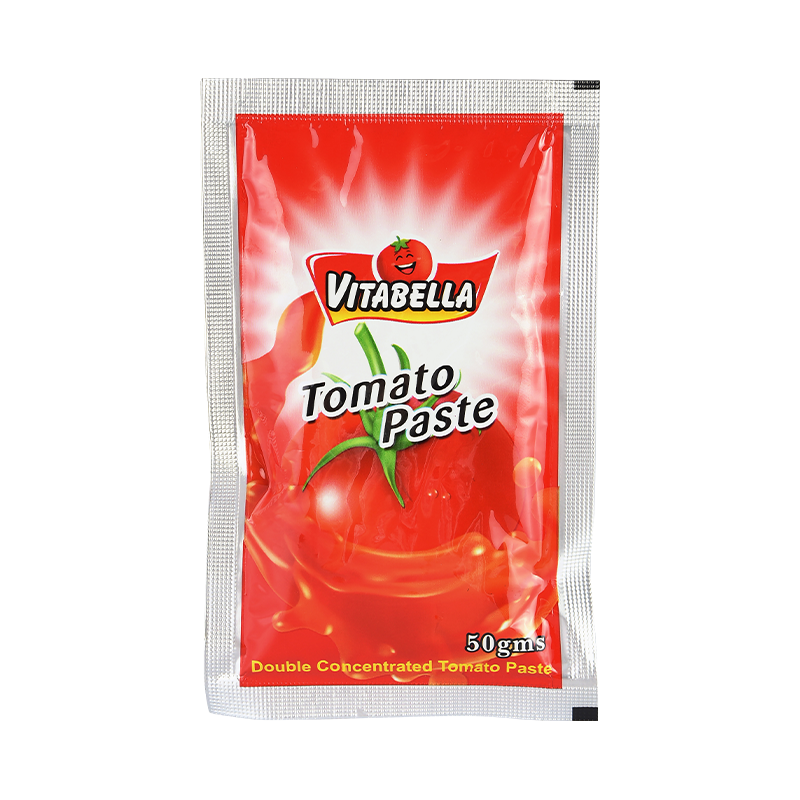 Double Concentrated Tomato Paste for Sauces and CookingDense tomato paste with rich flavor for pizza, pasta, stews and sauces; its thickness needs attentive heating to avoid scorching.View Product →
The practical rule: thicker paste needs more attention. A watery paste steams first; a dense paste colors fast.
Caramelization, Maillard, and the Line to Bitterness
The same reactions that build complexity can turn acrid in seconds, so aim for deeply browned, not blackened. Caramelization adds cooked-fruit sweetness; Maillard adds savory depth. Carbonized bits add bitterness that stock or cream will not fully hide. If the paste smells acrid, discard that batch.
How to Brown Tomato Paste Without Burning It
Use a wide, heavy pan, medium heat, and just enough fat to keep the paste moving. For 2 to 3 tablespoons of paste, start with about 1 tablespoon of neutral oil or oil mixed with a little butter; butter alone burns easily.
- Warm the pan over medium heat; do not let the oil smoke.
- Add fat and paste, then spread it thin.
- Stir and press almost constantly.
- Cook 2 to 5 minutes, until brick red and toasted.
- Add 2 to 4 tablespoons of stock, wine, water, or crushed tomatoes and scrape the pan.
Heat, Pan, and Timing Cues
Medium heat gives a margin for error; high heat shortens the distance to bitterness. Watch for three cues: the paste loses its wet shine, the color moves toward brick red, and the aroma turns sweet and toasted. If the pan smokes, pull it off the heat and lower the setting. Heavy steaming means water is still cooking off.
When to Add Salt, Sugar, or Aromatics
Season after browning because sugar can accelerate scorching and salt changes the surface. Cook onions first, push them aside, and brown the paste in the clear space. Add garlic after the paste browns; garlic burns faster. A pinch of salt or sweet vegetable can soften acidity later, but it cannot repair burnt paste.
Raw vs. Browned Tomato Paste
Browned paste suits long-cooked savory dishes; raw paste suits bright, fresh applications. Use the comparison as a guide, not a rule.
| Factor | Raw paste | Browned paste |
|---|---|---|
| Flavor | Bright, sharp, concentrated tomato | Deeper, nutty, roasted, savory |
| Acidity | More noticeable | Softer in perception, still acidic |
| Color | Bright red | Brick red to deep red |
| Best use | Quick sauces, dressings, dishes where freshness matters | Ragu, chili, stews, pizza sauce, braises |
| Main risk | Raw, flat taste | Bitter, burnt notes |
Where Browned Tomato Paste Earns Its Keep
Browned paste pays off where liquid and cooking time can carry its darker notes.
- Ragu and braises: brown with soffritto before wine and tomatoes for a longer, meatier finish.
- Chili and bean stews: cook 1 to 2 tablespoons with aromatics to thicken and add roast depth.
- Pizza sauce: brown briefly, add crushed tomatoes, and simmer 10 to 15 minutes.
- Curries and legumes: fry with bloomed spices for 30 to 60 seconds; keep the heat moderate.
- Tomato soup: add a spoonful at the start for depth without long reduction.
Keep paste raw for fresh salsa, cold dressings, or quick pan sauces where a clean tomato edge matters. Taste a browned spoonful beside the raw paste; the difference should be sweeter aroma, less sharpness, and a longer finish.
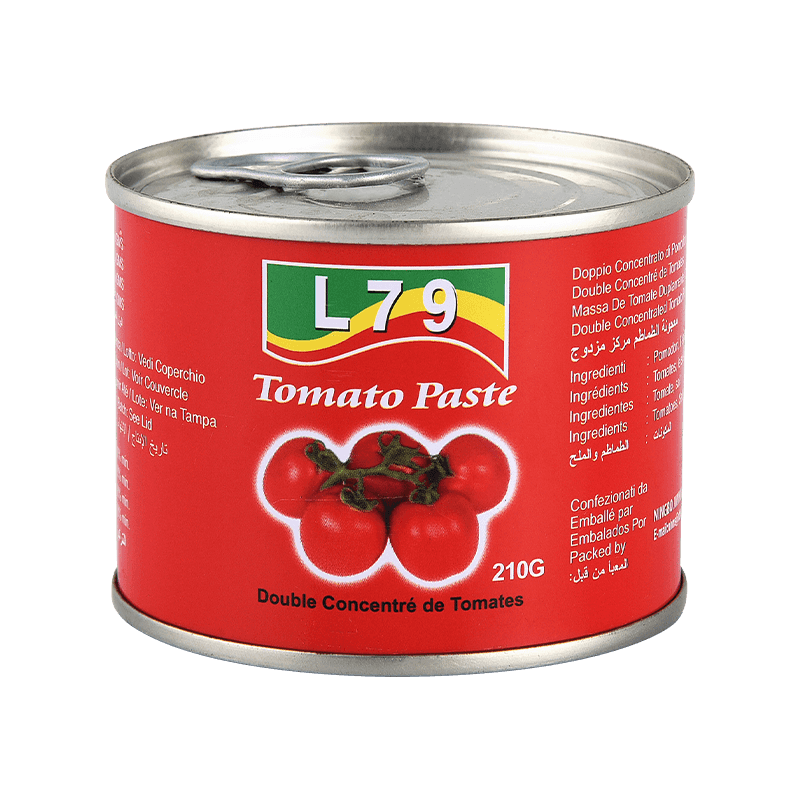 400g Double Concentrated Canned Tomato PasteSweet-tart concentrated paste in 400g cans with easy-open or hard-open lids; suited to batch cooking and longer storage.View Product →
What to Look For in a Paste That Browns Well
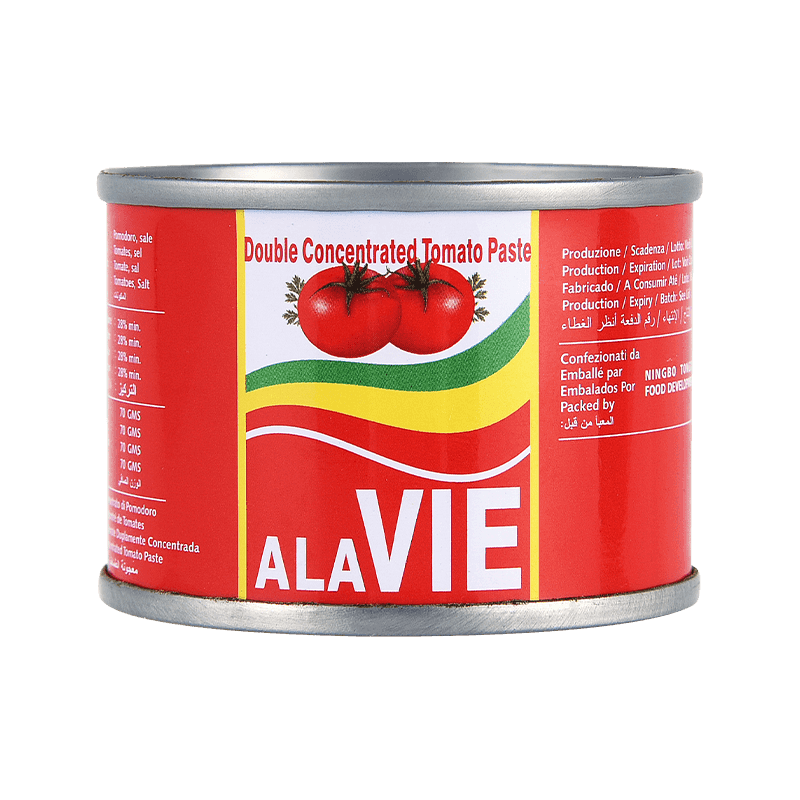
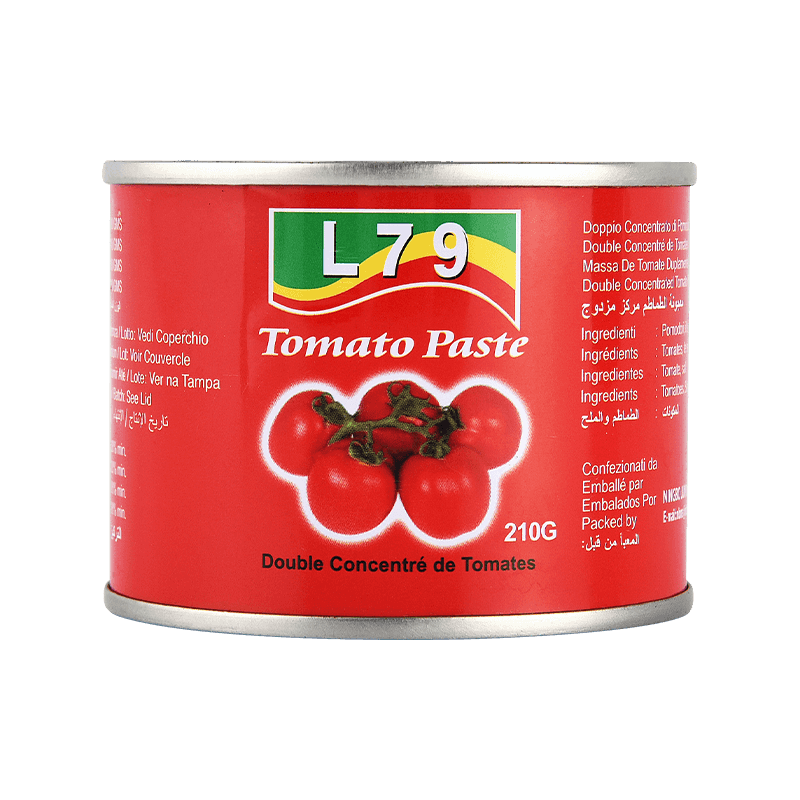
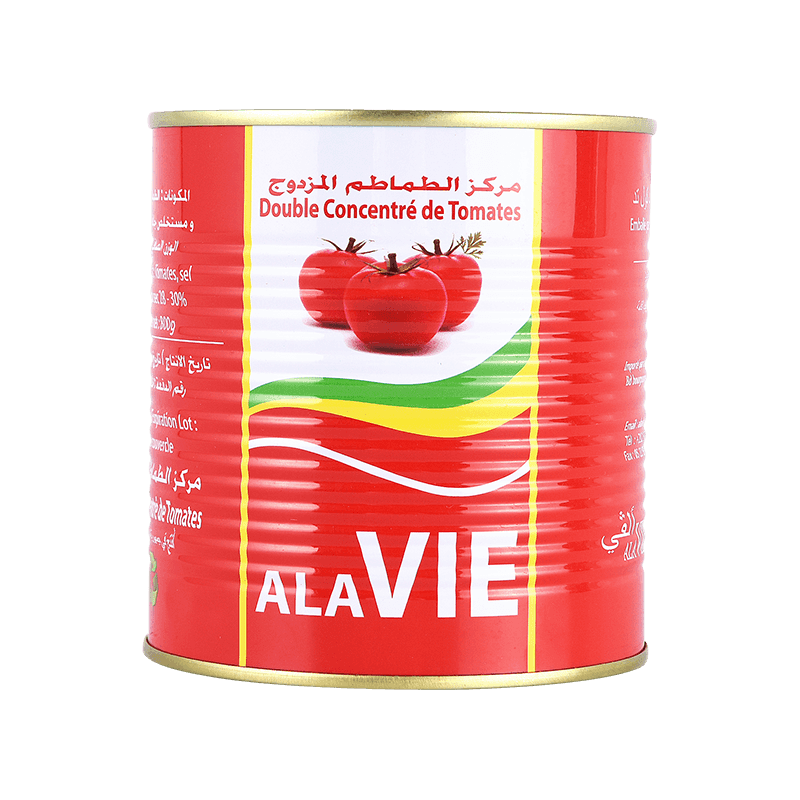
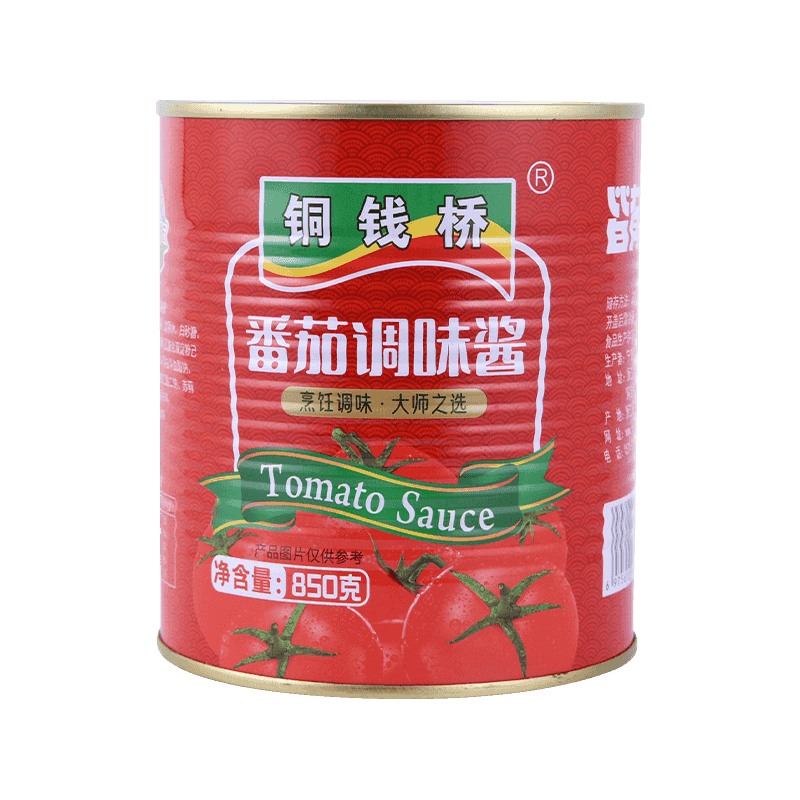
A thick, high-solids paste with deep red color and clean tomato aroma browns more predictably than a loose, pale product. Check the label for concentration or Brix; double concentrated paste is denser and needs gentler heat. Cans suit batch cooking, sachets suit small tests, and squeeze bottles are convenient for quick sauces but often hold a more spoonable product.
Browse the full tomato paste product range to match the pack to how much you brown at once. A large can suits a restaurant batch; a small sachet reduces waste when testing.
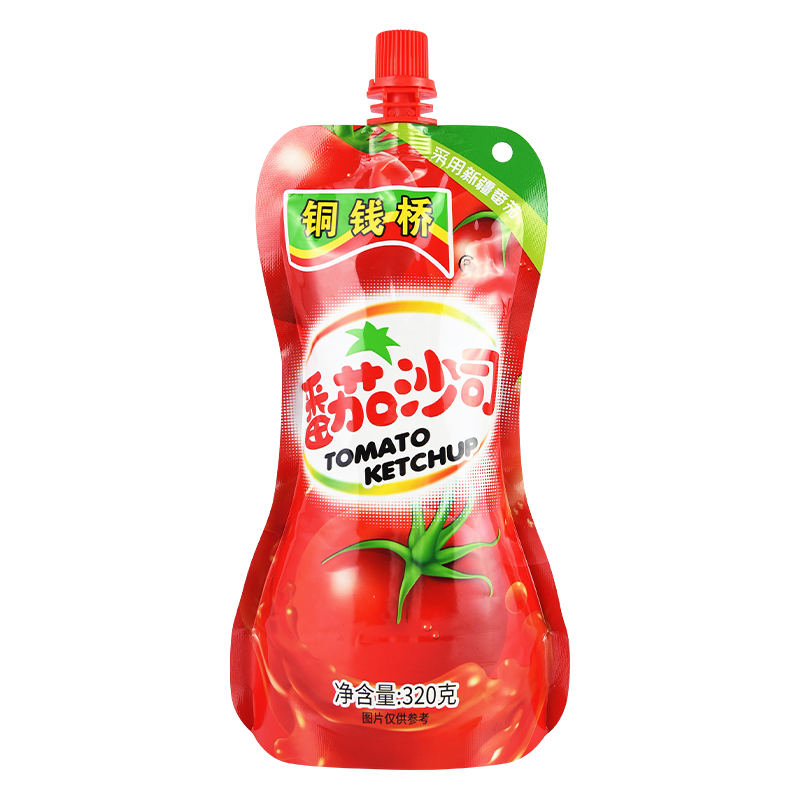
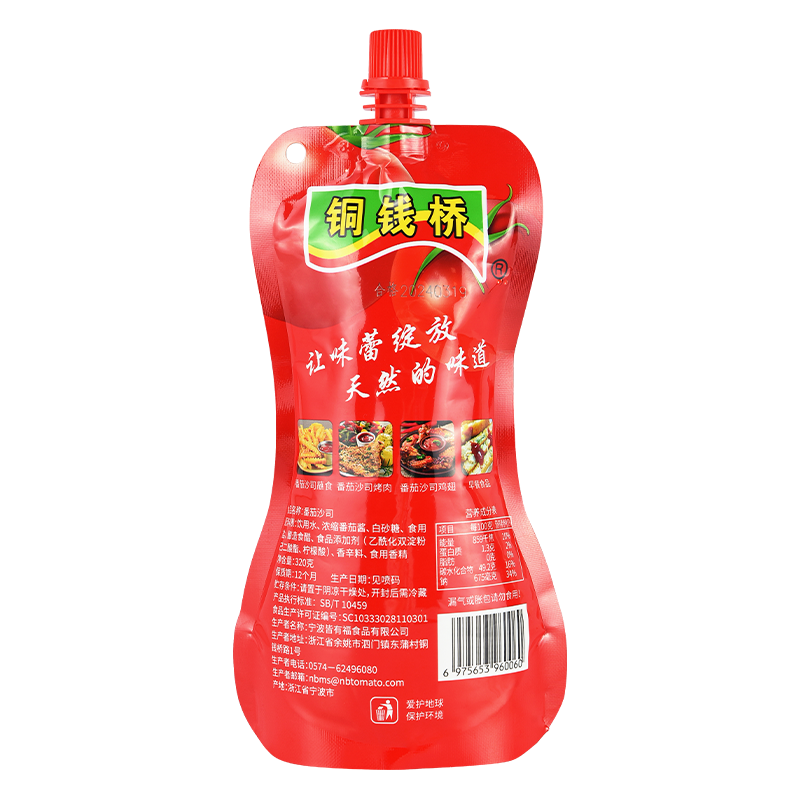 320g Sachet tomato paste with capOur 320g sachet tomato paste features a zero-fat formula, ideal for health-conscious individuals. With no added sugar, natural ingredients create a lightly sweet flavo...View Product →
Storage After Browning
Cool browned paste quickly, then refrigerate it covered for 3 to 4 days or freeze in tablespoon portions for 2 to 3 months. Press wrap onto the surface or add a thin film of oil to limit drying. Reheat gently with a splash of stock or water.
Frequently Asked Questions
Can I brown tomato paste without oil?
Yes, but oil gives more even heat and less scorching. Use a nonstick or well-seasoned pan over medium-low heat, spread thinly, and stir constantly; a dry pan has less margin for error.
How long should it take?
Most small batches take 2 to 5 minutes over medium heat. Judge by color and aroma: brick red and toasted is ready; blackening and acrid smoke is too far.
Does browning reduce acidity?
It does not remove acid, but it changes how sharp the acid tastes. Caramelized sugars and roasted aromas add perceived sweetness and depth. If a dish is still too acidic, finish with cream, butter, or sweet vegetables.
What if the paste tastes bitter?
Bitterness from burnt paste does not disappear, so discard an acrid batch. If it is only deeply browned, deglaze immediately with stock or wine, scrape the pan, and taste before adding it to the main dish.
 No.1 Tongqianqiao Road, Dongpu Village, Simen Town, Yuyao, Provincia di Zhejiang
 nbms@nbtomato.com

